

Stress management techniques are highly needed in our everyday lives because the body isn’t robotic or has no feelings.
There is a limit to what your body can do without burning out physically, chemically, mentally, or emotionally.
The burnout period is termed stress.
Therefore, the body undergoes stress when placed under unbearable anxiety and unrest.
Often, stress results from increased demand from jobs, family, friends, and environment. However, everyone experiences some level of stress depending on individual body resilience.
Unfortunately, stress in itself can’t be eliminated rather managed. Hence, stress management skills are a necessity for healthy living.
Wondering how to manage stress? Keep reading.
Table of Contents
What Are Stress Management Techniques?
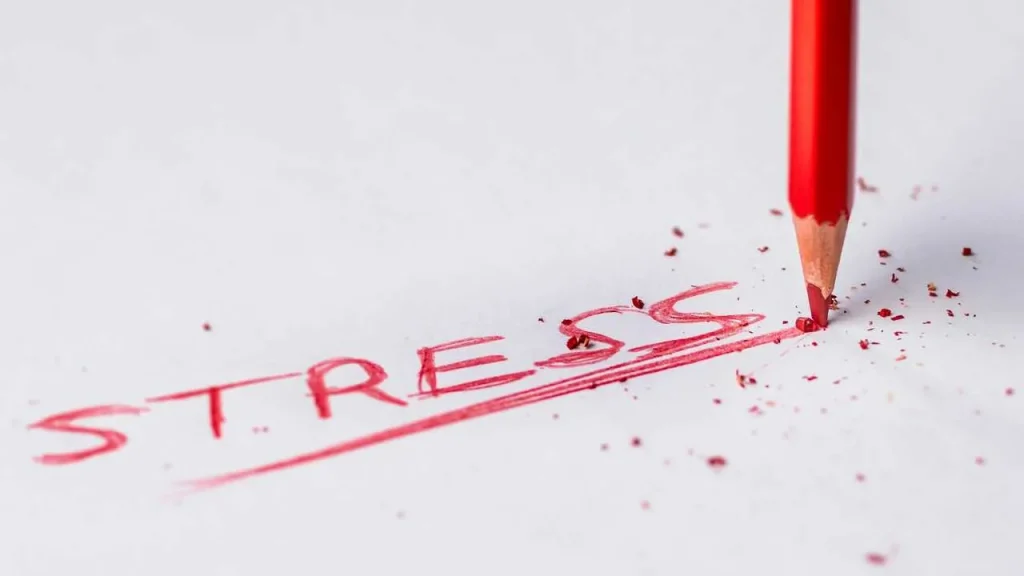
It’s the collection of approaches and programs aimed to assist people in dealing with stress.
Also, you need to identify specific stressors and take proactive steps to reduce the effects of stress.
Extreme stress affects the body negatively.
It often leads to:
- Immune system breakdown
- Distorted emotional coordination
- Poor reasoning
- Anxiety
- Anger
- Cardiovascular diseases
- Increases adrenaline response (Flight/flight)
- Hinders a productive life
However, stress management skills serve as an essential technique required to keep chronic levels of stress under control and improve your daily living.
Effective Stress Management Techniques
I’ve been stressed countless times, and there were days I couldn’t move my body due to stress breakdown.
Yes, sleep is usually the first sorted stress management technique.
Unfortunately for me, I would sleep for hours and still wake up tired. I knew they had to be more effective ways to manage stress.
My curiosity prompted this comprehensive guide on other effective stress management skills.
1. Self-Analysis Technique

To effectively keep your stress level under control you must study and understand your emotions.
What are the activities that trigger pressure in you? How do you react to sudden changes in activities?.
The results achieved from self-analysis serves as a road map for you when applying stress management skills. Also, self-analysis techniques are a key element that increases emotional intelligence.
For me, when I’ve got tons of tasks to handle with limited time, I get stressed. It becomes heightened when I can’t seem to solve the tasks with the expected solutions.
2. Relaxation Stress Management Techniques
Relaxation is a natural method to control stress. It coordinates the mind and counter body pressure.
Frequent relaxation keeps heartbeat rate low and regulates blood pressure—it’s fun when combined with mediative music like the new-age genre.
Forms of relaxation techniques include:
Belly Breathing Techniques
Constant belly breathing disengages the mind from stress, also known as abdominal breathing.
This process involves the intake of long slow breaths and exhales repeatedly. Preferably, five seconds before you exhale.
Visualization Stress Management Skills
Visualization is an effective stress management skill that utilizes the body’s imaginative faculty.
I recommend you take time-off your daily activities at least 20 minutes to engage your imagination.
I begin by creating a mental picture of things or places that portray serenity, love, happiness, and peace.
Ensure your mind remains focused—best done in a distraction-free zone. Your mental picture could stem from places you’ve visited in time past, or lovely experiences you had or may have read about.
Meditation Practices

Over the years the act of mediation has been tagged spiritual. However, this helps the body exhale stress.
Meditation is when you fix your mind on something specific without drifting into the past, future or negative thought pattern.
This method combat anxiety, depression, and physical pain which are all side effects of stress. Meanwhile, it requires constant practice to experience transformation.
Yoga Stress Management Techniques
Yoga is an ancient art that combines a series of body movements and posture with rhythmic breathing. As crazy as it seems, it goes a long way in offering mental focus.
However, some people still feel yoga is risky and shouldn’t be practiced.
In contrast, its benefits are more compared to the risk involved in its mode of operations. Before you practice yoga by yourself, get a private tutor to guide you through.
3. Healthy Living Technique
The body burns out quickly when its immune system is weak, or having low defense.
In response, a healthy lifestyle is an effective stress management skill that boosts the immune system which in-turn regulates the body stress.
Here are quick tips to start practicing healthy living:
Exercise Practice

All forms of exercise either aerobics or yoga, pump up endorphin hormones (feel-good hormones) in the brain and also disengage the mind from daily worries.
Depending on your preference, engage in exercise that is suitable for you, either running, walking, swimming, dancing, or climbing.
Balanced Diet Stress Management Techniques
A nutritious diet counters stress by boosting your body’s immune system.
It’s a step in practicing mindful eating which lowers blood pressure, stabilizes sugar levels, and enhances the secretions of serotonin—a brain calming chemical.
Recommended stress reduction diet include:
- Pasta
- Cereals (my favourite)
- Whole-grain bread
- Oranges
- Spinach
- Avocados
- Almonds
- Milk fatty
- Black tea
Proper Sleeping Habit

The body needs enough sleep to aid the brain and mind in relaxation.
When you sleep, your mind disengages from chaos and worries.
Afterward, your body gains stamina and concentration to handle the perplexing task at hand in the best way.
Perhaps, you’re a workaholic (I was once in that group), it’s detrimental to your health when you deprive your body of good sleep. Besides, you function efficiently when you give yourself enough sleep.
Drugs
Drugs are in various forms. While there are drugs that help reduce stress, there are other forms that can increase stress.
Stress-increasing drugs should be avoided including alcohol, cigarettes, marijuana, among others.
However, sedative and antidepressant medications like diazepam, triazolam, are recommended for stress reduction. They help combat anxiety, tension, insomnia and depression.
Moreover, it should be taken based on medical prescriptions—consult your doctor before using drugs as a stress management technique.
4. Organization Techniques

A life without order is set to crash soon.
Without organization, it becomes difficult to handle stress and stay healthy while going through daily activities.
The body burns out fast when we attempt to merge numerous activities.
To effectively organized your schedule check out the following:
Time Management
Being time conscious helps you set your activities based on order of importance and preferences. But, you need discipline to stick to your set list.
Meanwhile, give high priority to tedious tasks and erase unnecessary activities with low value from your schedule.
Are you finding it difficult to manage your time? Read my guide on top effective time management skills you need for a productive life.
Reduce Distraction
It results in stress when you force your brain to concentrate in a noisy atmosphere.
To combat this, work in a noise-free environment and enact a no distractions policy in your working space—a core step on how to increase productivity in the workplace.
5. Practice Social Connection Techniques

Those with strong social support are less vulnerable to stress.
How connected are you to others?, your spouse, family, friends and colleagues.
Humans by nature are social beings and derive a sense of motivation and inspiration when they interact with others. Interaction creates a conducive atmosphere to communicate your feelings.
When you practice social connection, your body attains internal and external peace.
Here are few tips to get started:
Time Out With Friends and Family
The most effective way to deal with stress is by engaging in adventurous activities with loved ones.
During this period the brain produces feel-good hormones (endorphin) because you’re around those who love and value you.
In the process, you get to share your problems with an active listener and get advice and support in return.
Engage in Your Hobbies

Don’t abandon your hobbies when you go through stress.
Instead, whenever you feel overburdened, retire from your regular activities and engage in those things that make you happy.
You can do this alone or with friends depending on your preference. Things that spark happiness in us are effective stress management techniques that help disengage the mind from current problems.
Stay Motivated
Motivation helps build your body’s resilience and mind’s cognitive ability to fight against stress.
The source of motivation varies from person to person. However, many derive inspiration from nature, books, audios, or role models.
Also, you can become motivated by continuously affirming the following:
- Positive energy quotes
- Effective communication quotes
- Motivational quotes for success
- Inspiring growth mindset quotes
Final Thoughts on Stress Management Techniques
Stress management skills help to boost your body resilience which is the ability to recover quickly from depression, sickness, pain, and disappointment.
You also learn to be in charge of your emotions through self-analysis techniques. Moreover, stress management techniques become efficient when you replace profitless activities with value-oriented tasks.
The aforementioned techniques are effective at different levels. Hence, you need to know yourself and experiment with a couple of skills to know what works best for you.
So, what’s your best stress management skills? Do share in the comments.
Frequently Asked Questions
Can exercise help manage stress?
Yes, exercise is a powerful stress reliever. Physical activity releases endorphins, improves mood, and helps clear your mind. Regular exercise, even for 20–30 minutes a day, significantly enhances focus, energy levels, and overall productivity.
How can time management reduce stress?
Time management helps you stay organized and avoid last-minute stress. Techniques like the Pomodoro Technique, task prioritization, and setting achievable goals help you work smarter, reduce overwhelm, and accomplish more in less time.
How can journaling help with stress management?
Journaling allows you to express your thoughts and emotions, which can reduce mental clutter and stress. It also helps identify stress triggers and track your progress in managing them, ultimately boosting clarity and productivity.
Can stress be beneficial for productivity?
- In small amounts, stress (known as eustress) can motivate you to achieve goals and meet deadlines. However, excessive or chronic stress becomes harmful, reducing efficiency and overall performance. The key is to maintain a balance.

I’m Happiness Hassan, the founder of Inspiring Guide—A personal development blog that empowers you to become the best version of yourself!
Meet the Author
Happiness is also an SEO content writer and strategist with over 7 years of experience helping brands boost visibility, engagement, and sales.
Whether it’s keyword research, crafting content, or fine-tuning on-page and off-page strategies, I’ve got you covered. My goal is beyond driving traffic but making your users experience a win-win for everyone!
On the coaching side, I’ve trained countless writers to turn their passion into profitable SEO careers. I help them navigate the SEO path, standing out in even the toughest niches and cashing in on their skills.
When I’m not geeking out over SEO, you’ll find me deep in the world of self-development. As a dedicated student of continuous growth, I write about my growth journey, sharing insights to help others unlock their potential. So, if you’re looking for a little push to become your best self, stick around—I’ve got you covered!





0 Comments