

There were days you decided to play cool and avoid misunderstanding irrespective of the provocations. Unfortunately, that didn’t go well, as someone out of the blues got on your nerves—We’ve all been there.
This brings to mind that conflicts are unavoidable where two or more persons are involved—workplace, school, family, and even between siblings and spouse.
However, conflict can be managed and resolved in the best interest of both parties without hurting the existing peaceful relationship. But, it all begins by applying effective conflict resolution strategies.
A few years back, I did find it difficult to see eye-to-eye in discussions with colleagues, friends, and family members. Oftentimes, the existing relationship and network gets hurt. But, things took a new turn as I intentionally developed conflict resolution skills—I’ll share that shortly with you.
Perhaps, you’re having a hard time resolving conflict with colleagues, siblings or spouse. I’ll be walking you through proven conflict resolution strategies that are applicable in different settings—workplace, home, school, and every day activities.
Let’s begin.
Table of Contents
What is Conflict Resolution?
Conflict resolution is the process of resolving disputes or disagreements between individuals, groups, and organizations in the interest of all parties involved. In other words, it’s about achieving a mutual solution that satisfies all parties involved.
Applying conflict resolution techniques instantly in the heat of the moment appears difficult as everyone wants to prove a point. However, two wrong can’t make a right. Hence, you need to learn how to consciously apply conflict resolution strategies and save that relationship.
Also, conflict resolution techniques are vital elements needed for peaceful coexistence in every spheres of life.
Because:
- It helps prevent further escalation of minor misunderstanding
- Fosters cooperation and oneness amongst individuals and team members
- Build better relationship and networking
- Enhances productivity and growth
Common Reasons for Conflict and Misunderstanding

Every conflict takes its root from the below sources:
- Poor communication: When messages, instructions or Information are misinterpreted, conflict becomes inevitable.
- Personal and cultural differences: We all have different beliefs, customs, and values and when not respected leads to misunderstanding.
- Limited resources: Competition over limited resources such as time, money, or material things sparks conflict especially in the workplace, family or community setting.
- Different goals: Conflict can be unavoidable when individuals with different goals, priority and interest try to relate without striking a common ground.
- Unmet expectations: When expectations are met with disappointment and frustration, dispute becomes unavoidable.
- Emotional Influence: Unmanaged emotions such as anger, fear, resentment or lack of empathy results in misunderstanding.
- External factors: External factors such as changes in environment, economy, industry or pressure to meet deadlines often leads to disputes.
Strategies for Conflict Resolution in the Workplace

The workplace is a setting where individuals aim for a common goal network together. However, this target can be disrupted or delayed when disputes aren’t properly managed.
Here are proven strategies for conflict resolution in the workplace —between colleagues or between boss and team-members.
1. Encourage Open Communication
Create a conducive working space where employees feel comfortable to share their ideas, and opinions without being misunderstood. Open communication makes it easy for team members to collaborate seamlessly without being criticized.
Unfortunately, poor communication accounts for 39% of conflict in the workplace. You can handle this by applying the tips for effective communication.
2. Address the Problem, Not the Person
Perhaps, an employee missed a project deadline, criticizing such a person doesn’t solve the problem rather creates more problems.
Instead, you should come up with ways the delayed project can be solved. Likewise, ways to keep staff up and doing such as learning effective time management skills to ensure they meet up with deadlines.
3. Leverage a Third Party
Conflict resolution strategies often require the intervention of a third party who occupies a neutral ground—this could be another colleague or team member from a different division.
A third party helps resolve the issues amicably without taking sides. However, involve only third parties that are experienced about the dispute
4. Practice Active Listening
To resolve the conflict between team members, practice active listening. This implies, you simply listen while both parties involved in these disputes explain their own side of the problem. When both individuals feel heard, they would likewise feel ready to understand the other person and resolve the conflict.
5. Set Clear Policies
There should be clear guidelines for handling conflict in the workplace. Because, conflict left unresolved affects productivity in the workplace.
These conflict resolution strategies in the workplace could include guidelines such as:
- Employees should report conflict to supervisor or HR within 24hrs
- On no occasion should parties involve personal affairs in ongoing dispute
- Witnesses should be interviewed to gather factual Information on the issues
- Conflict should be resolved between 3-5 working days
- Parties involved are mandated to undergo conflict resolution training and support
6. Seek a Win-Win Solution
Seek solutions that satifies both parties involved without compromising or taking sides. Oftentimes, it can be obvious the employee that’s wrong and who is right in an ongoing dispute.
However, don’t take sides by blaming who is wrong and praising who is right. Instead, address the issues, provide practical advise and ensure all employees involved feels heard and satisfied.
Sibling Conflict Resolution Strategies

I love my siblings dearly, but that doesn’t mean we agree on everything. Disputes do occur, however we don’t let it disrupt the existing relationship, rather we apply the below conflict resolution strategies:
7. Set Boundaries
We might be siblings, but not all behaviours, attitude and manner are permissible. Clear boundaries should be set in place with the consequences that follows.
For instance, taking another siblings belonging without asking for permission is not allowed. If boundaries are crossed, apologies are required immediately. Likewise, if items gets damaged, it must be fixed or replaced with a new one.
8. Practice Empathy
Empathy is the ability to understand another’s pionts of views, thoughts, feelings, and emotional state. So, don’t be in a hurry to pick a fight or criticize your siblings when they make a mistake.
Instead, practice more of empathy when relating with your siblings—be willingly to hear their own side of the issues, why they did what they did and seek ways to handle the issues.
9. Encourage Siblings to Engage in Turn Taking
Taking turns in activities boost oneness and coorperation between siblings. Oftentimes, disputes occur when one sibling takes all the decisions or handles key responsibilities when other siblings are sidelined.
Taking turns is one of the key conflict resolution strategies that helps prevent conflict among siblings—everyone should be involved in decision making and take turn in key activities.
10. Promote Teamwork
Effective teamwork builds synergy among siblings and help manage conflict amicably. Come up with joint task that you and your siblings can engage in as a team—this encourages coorperation and reduce rivalry since everyone is part of the team, working towards a single goal.
11. Leverage a Mediator
A mediator is a third party who isn’t involved in the dispute. A mediator is needed when conflict among siblings gets escalated beyond both parties involved.
Hence, seeking the assistance of a third party creates room for both parties involved to feel heard. Also, a third party is able to see the dispute from a different angle and provide effective conflict resolution strategies that satisfies both parties.
Conflict Resolution Strategies for Kids
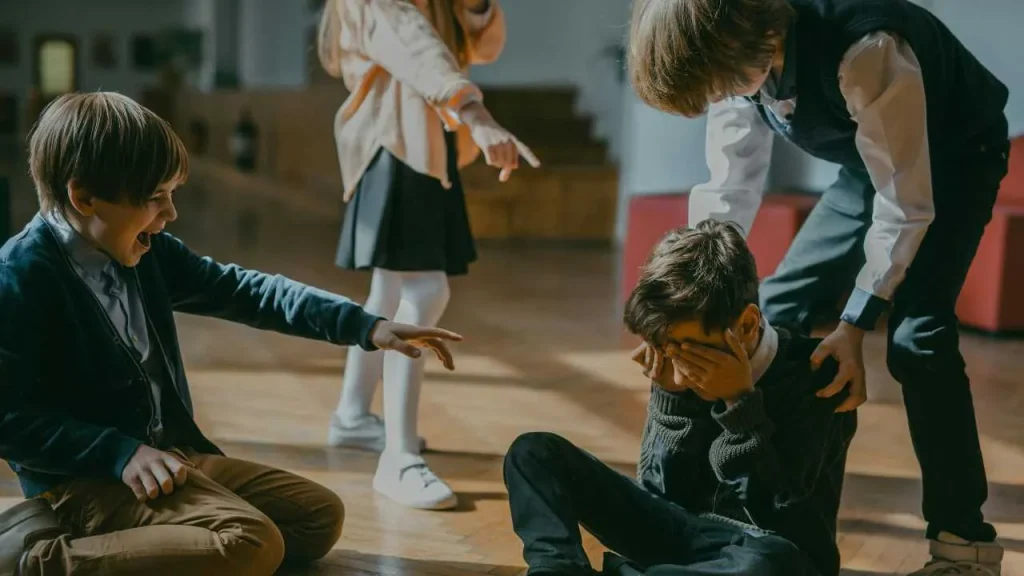
Kids are little and still growing. However, they too have got feelings, behaviours, and attitude that could trigger conflict.
Don’t be surprise when your kids are involved in a fight with other kids at school, play ground or within the neighbourhood.
Here are proven conflict resolution strategies for kids to help resolve or prevent conflict among kids:
12. Teach “I” Statement
Teach your kids to use the “I feel” statement to express their feelings instead of blaming others. This helps kids take actions for their behaviours and act approipriately when wronged instead of retailiating with insultive words or engaging in a fight.
Examples of these conflict resolution strategies for kids includes:
- “I feel angry when you take my toy without asking” instead of “You always take my toys!”
- “I feel sad when you don’t include me in your game” instead of “You’re mean for not letting me play!”
13. Teach Your Kids Through Role Playing
Role playing is a practical way to teach your kids how to react when faced with conflicting issues. This involves using different secenerios to show kids how to handle conflict.
In other words, you can act as a kid who walks up to your child in the playground and takes his toy forcefully, the next line of action is for your kid to fight back. Instead, teach your kids to report to an adult near by who can best handle that situation.
14. Apology, a Key Conflict Resolution Strategies
Kids need to learn to say “sorry” when they are wrong or have offended another child. This makes the other kids wronged feel better without escalating the dispute.
Instead of walking away when your child steps on another kid’s foot by accident, a gentle “I’m sorry” prevents the wronged kid from retaliating or taking revenge.
15. Practice Cool-Off Period
When you kid gets involved in a dispute or fight, don’t be quick to yell, criticize, abuse, or spank right away. Doing such without listening to your child’s side of the story could lead to further misunderstanding and hurt the relationship between you and your kid.
Conflict resolution strategies often include a cool-off period—It’s advise you allow time for emotions to settle down before addressing the issue.
16. Reward Positive Behaviours
Rewarded behaviours are likely to be repeated especially when handling kids. Reward your kids and praise them when they behave appropriately when faced with conflict.
A weekend getaway at your child’s favourite pack is recommended for a child who refused to fight when his toy was forcefully taken by another kid—instead choose to report to an adult close by.
Conflict Resolution Strategies for Student
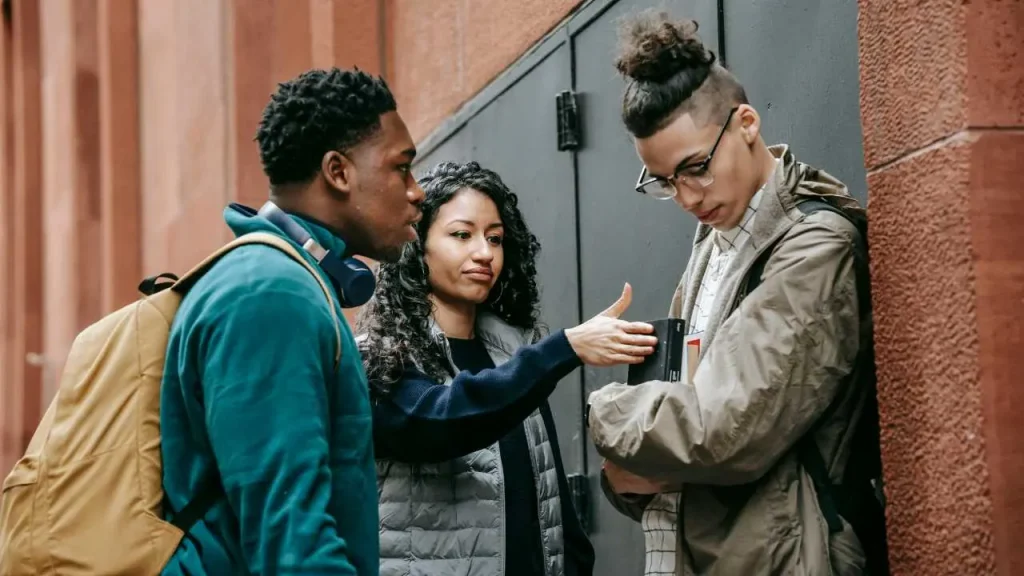
Students in both formal and informal learning settings do experience conflict. This could be between students, a group, or between student and teachers.
Whether your a student or teacher, these conflict resolution strategies applies to you:
17. Establish Clear Rules
Rules are needed for the effective functioning of every learning system. Without rules, students are at liberty to display unruly behaviours and engage in activities that endanger other students.
There should be set rules governing respectful interaction between students.
This include:
- No use of insultive or abusive words when communicating
- Fighting and bullying aren’t allowed
- Deformation of another student character aren’t allowed.
Additionally, to make these conflict resolution strategies more effective, punishment should be attached for those who break the rules.
18. Allow Everyone to Speak
Conflict resolution strategies are all about making every one involved in the conflict feel heard and understood. Before offering solutions to the problem, give students time to share their thoughts without interruption.
This further guides you on how to resolve the conflict by reaching a compromise. Likewise, help students develop empathy for each other.
19. Team Activities
Conflict in the classroom is best resolved when students are shared into groups to brainstorm for possible solutions. As a teacher you could bring up possible dispute that could arise and allow students to discuss and generate solutions.
This help prepare your student ahead on how to react and behave when conflict occur in the classeroom. For instance, choosing to walk out into the rest room to cool-off instead of engaging in a fight.
20. Develop Emotional Intelligence
Emotional intelligence (EI) is the capacity to identify, comprehend, and regulate one’s own emotions, likewise, the ability to identify, and comprehend the emotions of others.
Student should learn the tips to improve their emotional intelligence, as it enables them handle conflict effectively without hurting others or getting hurt.
21. Use the “I” Statement
Students need to learn how to express their feelings using the “I” statement when offended instead of attacking others.
When a fellow student takes another’s belongings without asking, instead of fighting back or being insultive—students should calmly express how they feel and report to the school authorities.
Helpful Conflict Resolution Strategies for Couple

Unresolved conflict between couples hurts the romantic relationship and leaves both partners wondering “how they ended up marrying such an inhuman spouse.”
However, If you’re like me who believe divorce is never an option (except in rare cases), here are helpful conflict resolution strategies for couples:
22. Practice Active Listening
Give full attention to your partner when he/she is expressing their feelings especially about the way you treat them or on your behaviours.
Don’t be in a haste to defend yourself or action, this could further escalate the issue. However, when your partner feels heard, they would be relaxed and listen to your explanation calmly.
23. Stay Calm
When the conservation between you and your partner seem to be drifting off course into the heated zone, I recommend you remain calm and change the conversation.
You and your partner are one team and should work together, this implies that there is no point winning an argument to prove a point at the expense of your relationship happiness.
24. Focus on the Solutions
As earlier established, conflict resolution strategies are about reaching a compromise and not winning the other person —which is often not possible.
If you want the best for your relationship, then It’s up to you and your partner to sit maturely and come up with solutions rather than arguing who is right or wrong.
25. Schedule Time for Conflict Discussion
Not every conflict can be settled at the heat of the moment. Hence, learn to talk things over with your partner at a better time. Schedule time for conflict discussion when both of you have cooled-off and are the right frame of mind to discuss the disagreement.
Begin by identifying the root cause of the conflict to avert further recurrences, likewise, be ready to apologize even when you are right.
26. Seek Professional Help
I recommended this conflict resolution strategies for couple dealing with persistant or deep rooted conflict that mere conversion has failed to resolved.
Booking an appointment with couple therapist or marriage counsellor could help safe your marriage from crashing.
Final Thoughts for Conflict Resolution Strategies
To effectively handle conflict, you need to understand that you mustn’t be wrong before choosing to apologize, and that doesn’t mean you’re weak. Also, winning an arguement to prove a point can hurt your relationship with others—instead seeks to compromise or reach a mutual agreement.
Having these knowledge about conflict resolution strategies enable you identify, prevent and manage conflict when they eventually occur —trust me, there sure will, so get prepare with my recommended tips.
So, what aspect of your life do you experience conflict the most? What steps are you taking to handle it?
Frequently Asked Questions
What are the five stages of conflict?
Conflict when not resolved undergo 5 stages;
- Latent Stage: The potential for conflict exists but hasn’t surfaced yet.
- Perceived Stage: Parties become aware of the conflict.
- Felt Stage: Emotional responses, such as stress or anger arise.
- Manifest Stage: The conflict is openly expressed.
- Aftermath Stage: The outcome impacts future interactions, positively or negatively.
What is a conflict triangle?
A conflict triangle occurs when a third party becomes involved in a conflict between two individuals. This can escalate or help resolve the dispute depending on the third party's role.
How to resolve conflict?
Effective conflict resolution strategies includes:
- Identifying the root cause of the issue.
- Encourage open and respectful communication.
- Focus on the problem not the person
- Set clear boundaries and rules
- Leverage a third party
How to handle conflict as a leader?
Here are proven steps to take as a leader in managing conflict:
- Stay calm and impartial.
- Listen actively to all parties involved.
- Address conflicts promptly to prevent escalation.
- Encourage collaborative problem-solving.
- Set clear expectations and establish a resolution plan.
How to avoid misunderstanding in a relationship?
Misunderstandings are bound to occur where two or persons are involved. However, here are effective steps to manage conflict when they do happen:
- Communicate openly and clearly.
- Practice active listening to understand your partner’s perspective.
- Avoid assumptions and clarify intentions.
- Be honest and transparent about your feelings.
- Address issues early before they escalate.

I’m Happiness Hassan, the founder of Inspiring Guide—A personal development blog that empowers you to become the best version of yourself!
Meet the Author
Happiness is also an SEO content writer and strategist with over 7 years of experience helping brands boost visibility, engagement, and sales.
Whether it’s keyword research, crafting content, or fine-tuning on-page and off-page strategies, I’ve got you covered. My goal is beyond driving traffic but making your users experience a win-win for everyone!
On the coaching side, I’ve trained countless writers to turn their passion into profitable SEO careers. I help them navigate the SEO path, standing out in even the toughest niches and cashing in on their skills.
When I’m not geeking out over SEO, you’ll find me deep in the world of self-development. As a dedicated student of continuous growth, I write about my growth journey, sharing insights to help others unlock their potential. So, if you’re looking for a little push to become your best self, stick around—I’ve got you covered!


0 Comments